Skip to content

Benefits of incident reporting in healthcare

AdobeStock_175956176

Incident reporting plays a vital role in improving patient care, operational efficiency and overall healthcare quality. By documenting and analyzing safety events, you can identify risks at an early stage and take corrective action before issues escalate into serious incidents. A modern incident reporting system not only supports patient safety initiatives, but also helps your organization strengthen compliance, improve transparency and create a proactive safety culture.



Our incident reporting software for healthcare organizations

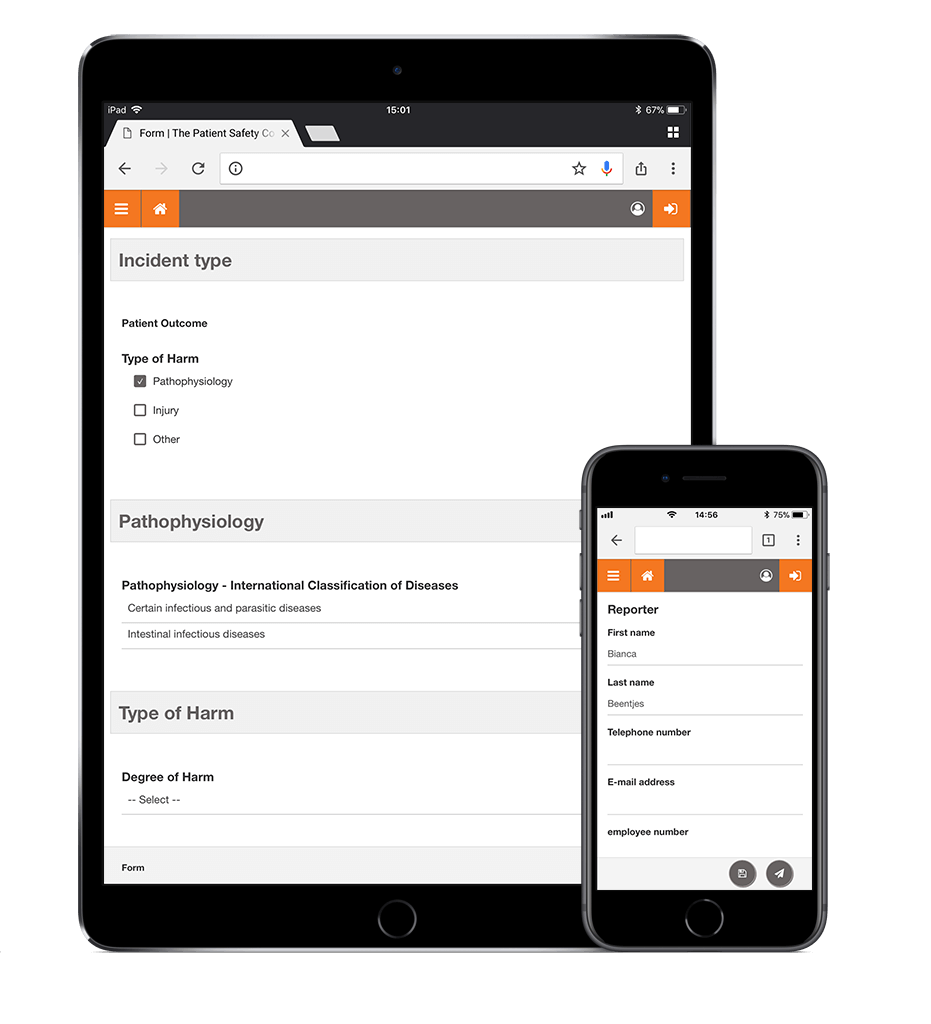
The TPSC Cloud™ incident reporting software is designed to be as fast and flexible as the teams who use it. We provide a digital incident reporting system in healthcare settings that eliminates the frustration of paper forms and manual data entry.

  • Easy access: Access our software from any workstation or mobile device in the ward.
  • Time-saving forms: Smart, intuitive forms only show relevant questions, allowing you to complete a report in minutes.
  • Real-time feedback: Receive automated updates so you can see exactly how your report is being used to improve safety in your department.
What are the benefits of incident reporting?

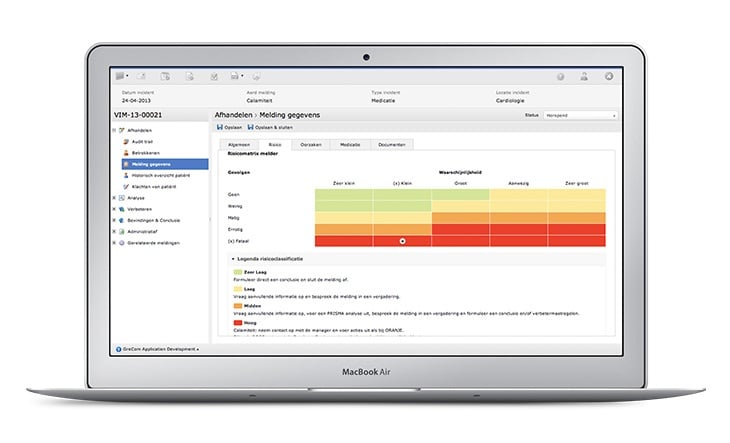
Incident reporting offers several key benefits, including the ability to identify trends and recurring issues within your organization. By analyzing these reports, you can uncover underlying problems, implement corrective actions, and ultimately improve patient safety, reducing the likelihood of costly incidents in the future. Some of the main benefits of incident reporting include:

Faster response to safety issues

A digital incident reporting system enables every team member to report and escalate incidents in real time. This allows managers, quality teams and patient safety officers to respond quickly, reduce preventable harm and improve overall incident management processes.

Better regulatory compliance

As a healthcare organization you must comply with strict regulations, accreditation standards and patient safety requirements. Our software helps you maintain accurate documentations, supports audit readiness and simplifies compliance with healthcare quality and safety regulations.


Better protection against legal risks

Accurate and consistent incident documentation helps you maintain clear records for audits, investigations and potential legal proceedings. Proper reporting also improves accountability and demonstrates a commitment to patient safety and continuous improvement.


Improved Organizational Learning

Incident reports provide valuable data that can be used to identify trends, improve staff training, and strengthen internal processes. By learning from incidents and near misses, you can reduce repeat errors and improve long-term care quality.


Using incident management software to simplify incident reporting

Despite the availability of incident reporting systems, many healthcare organizations still rely on manual, paper-based incident reporting, often using hand-written reports. Manual incident reporting is a time-consuming, costly, error-prone process that has many limitations, including low-quality data and limited flexibility.

Collecting incident data is just the first step in the incident management process. To identify and correct safety problems, the right people have to be able to access, sort, organize and analyze that incident data, something that is very challenging—if not impossible—when using paper reports.

To take full advantage of incident reporting, use incident management software that collects incident data electronically, stores that data in a central database, and analyzes it using proven methods.


Benefits of an incident response plan

Improving patient safety is not only about reporting incidents. It’s also about an effective incident response plan that helps to respond quickly and consistently to safety-related incidents. One of the key benefits of an incident response plan is that it streamlines incident reporting, automates follow-up and monitors improvement actions from a centralized system. Leading to faster identification of patient safety risks, better communication between departments and a more efficient root cause analysis. A structured incident response process also helps healthcare organizations improve accountability, strengthen compliance efforts, and prevent similar incidents from occurring in the future.


What benefits does an incident report form provide?

An incident report form provides you with a structured way to document safety issues. This enables you to identify patterns and prevent future incidents. By capturing essential details, it promotes accountability, enhances compliance with regulations, and fosters a culture of safety within your organization, ultimately protecting both employees and patients.


Optimize your incident reporting

Discover all benefits of incident reporting

  • Learn things like creating an incident reporting form
  • See how easily you can analyse incidents and quality-related data

contact.png?width=230&height=250&name=contact

Our valued customers include