Skip to content

How to write an incident report?

AdobeStock_175956176

In the complex environment of healthcare, ensuring patient safety is a top priority. A critical component of this is the ability to document unexpected events accurately and efficiently. Whether it concerns a minor error or a near-miss, knowing how to write an incident report is essential for identifying risks and improving care quality. This guide provides a step-by-step approach to creating effective reports that contribute to a safer healthcare environment.



Our healthcare incident reporting software system

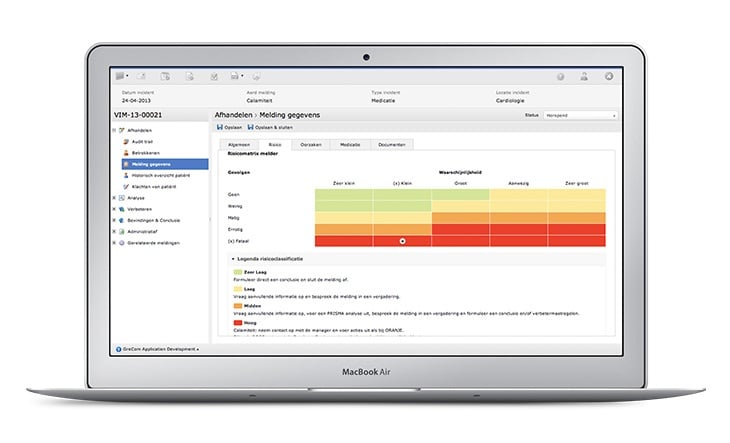
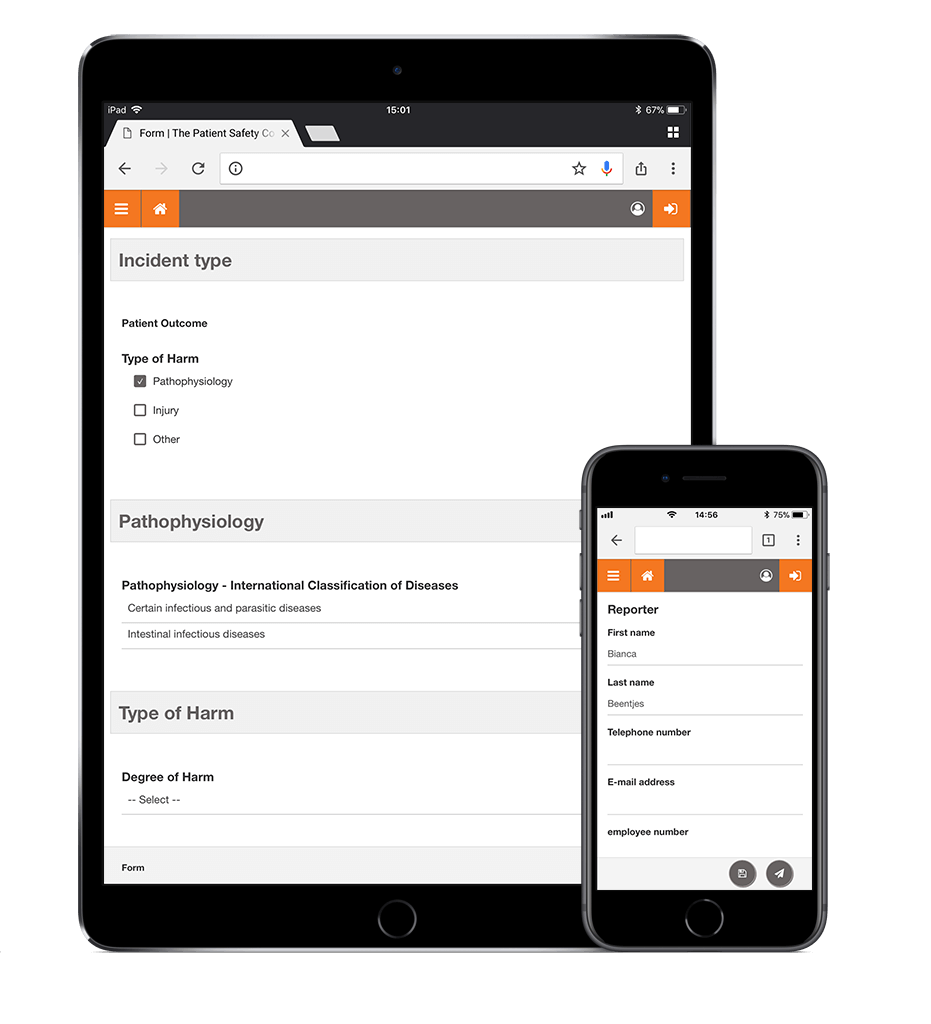
The TPSC Cloud™ incident reporting software is designed to be as fast and flexible as the teams who use it. We provide a digital incident reporting system in healthcare settings that eliminates the frustration of paper forms and manual data entry.

  • Easy access: Access our software from any workstation or mobile device in the ward.
  • Time-saving forms: Smart, intuitive forms only show relevant questions, allowing you to complete a report in minutes.
  • Real-time feedback: Receive automated updates so you can see exactly how your report is being used to improve safety in your department.
What is the meaning of an incident report?

An incident report is a detailed document that records specific incidents or events in a healthcare setting. It includes essential information like who was involved, what occurred, when and where it took place, the cause, and other relevant details. This documentation aids in improving patient safety and preventing future occurrences.

What is the best format for an incident report?

The best format for an incident report includes a clear heading, a summary of the incident, a detailed description, and conclusions or recommendations. Use a chronological structure, and include essential details like date, time, location, individuals involved, and any witnesses. Maintain neutral language for accuracy and clarity throughout.

How to write incident reports: a sample

To write an incident report, start by documenting essential details such as the date, time, and location of the incident. Describe what happened, identify involved parties, and outline any actions taken. Use clear, concise language to ensure easy understanding, and provide your contact information for follow-up if necessary.

An effective incident report must answer the core questions: who, what, where, when, and how. While reporting needs may vary by organization, the following basic information is generally required for a comprehensive healthcare incident report:

  • Patient Information: Full name, date of birth, and hospital ID number.
  • Other Affected Individuals: Names of staff members or visitors involved.
  • Time and Place: Exact date, time, and specific location of the incident.
  • Facility Details: Name and address of the facility where the event occurred.
  • Incident Type: Categorization of the event, such as a medication error, fall, or equipment failure.
  • Factual Description: A brief description of the incident, written in chronological order.
  • Witnesses: Names and contact information of any individuals who saw the event.
  • Impact Assessment: Details and total cost of any injury or damage that occurred.
  • Immediate Action: A summary of the actions taken at the time of the incident.
  • Notification: The name of the physician who was notified.
  • Reporter Details: Name and contact information of the person reporting the incident (if appropriate).

By utilizing this structured approach in your sample reports, you ensure that all critical data is captured. This allows healthcare organizations to focus on analysis and the prevention of future occurrences, rather than filling in missing information.

Using incident management software to simplify incident reporting

Despite the availability of incident reporting systems, many healthcare organizations still rely on manual, paper-based incident reporting, often using hand-written reports. Manual incident reporting is a time-consuming, costly, error-prone process that has many limitations, including low-quality data and limited flexibility.

Collecting incident data is just the first step in the incident management process. To identify and correct safety problems, the right people have to be able to access, sort, organize and analyze that incident data, something that is very challenging—if not impossible—when using paper reports.

To take full advantage of incident reporting, use incident management software that collects incident data electronically, stores that data in a central database, and analyzes it using proven methods.


How do I start off an incident report?

To start an incident report, clearly state the basic details: the date, time, and location of the incident. Then, briefly describe what happened, who was involved, and any witnesses present. This foundational information sets the stage for a comprehensive report, ensuring clarity and accuracy as you proceed.

How to write a description of an incident?

To write a clear incident description, include the who, what, where, when, and why. Describe the incident step-by-step, focusing on factual details without personal bias. Use straightforward language and avoid technical jargon to ensure everyone can understand the report. This clarity aids in effective analysis and response planning.

When should the incident report be completed?

Complete the incident report within 24 hours, focusing solely on factual information while gathering witness statements. Notify management and safety leads immediately. In the next 48-72 hours, conduct a root cause analysis, establish interim controls, and review the report for accuracy and clarity to ensure thorough documentation.

How to make an incident report letter?

When you need to draft an incident report letter, maintain a professional and formal tone throughout the correspondence. Begin with the basic facts, such as the date and nature of the event, and clearly state the purpose of the letter. Provide a concise yet thorough account of the incident, including the parties involved and any immediate actions taken. Conclude by outlining the next steps or recommendations to prevent similar issues, ensuring the letter serves as a constructive tool for healthcare quality management.


How to explain your incident report?

Explaining your incident report involves presenting the findings in a way that emphasizes facts and safety improvements. When sharing the report with stakeholders or management, focus on the objective data collected and the chronological sequence of events. Avoid assigning blame; instead, highlight the contributing factors and the root cause identified during the analysis. By explaining the report as a learning opportunity, you facilitate a culture of transparency and continuous improvement within your healthcare organization.


Optimize your incident reporting

Schedule a free online demo or discuss your needs with a specialist.

  • Learn things like creating an incident reporting form
  • See how easily you can analyse incidents and quality-related data

contact.png?width=230&height=250&name=contact

Our valued customers include